

Latest Blog Posts
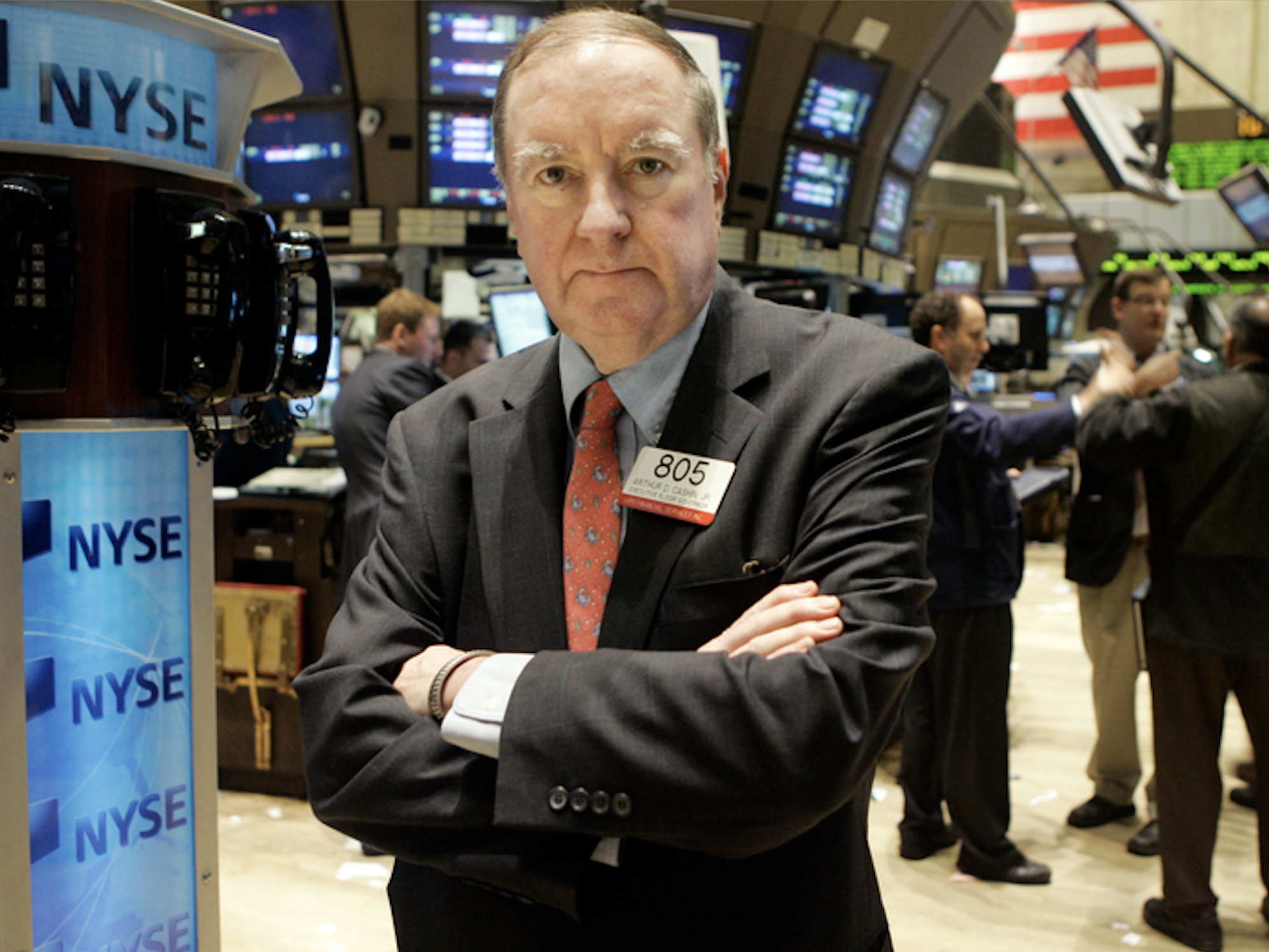
There is no portfolio for existential risk - the effect of war on investments
Veteran Wall Street floor trader Art Cashin was 18 at the time of the Cuban Missile Crisis. Cashin’s father died in his last year of high school, so Cashin bypassed college and made the leap to Wall Street to help support his family. The education he received there was more about street smarts than book smarts.

Creating Wealth that Lasts Beyond You
There are few things that give us more professional satisfaction than being able to work with families and businesses over a long period of time, to help them growth their wealth. Many factors come into play for this: tax minimisation, correct structures, clients running successful businesses, then helping with investments for surplus cashflow. It’s an ongoing journey and one we’re privileged to be a part of.
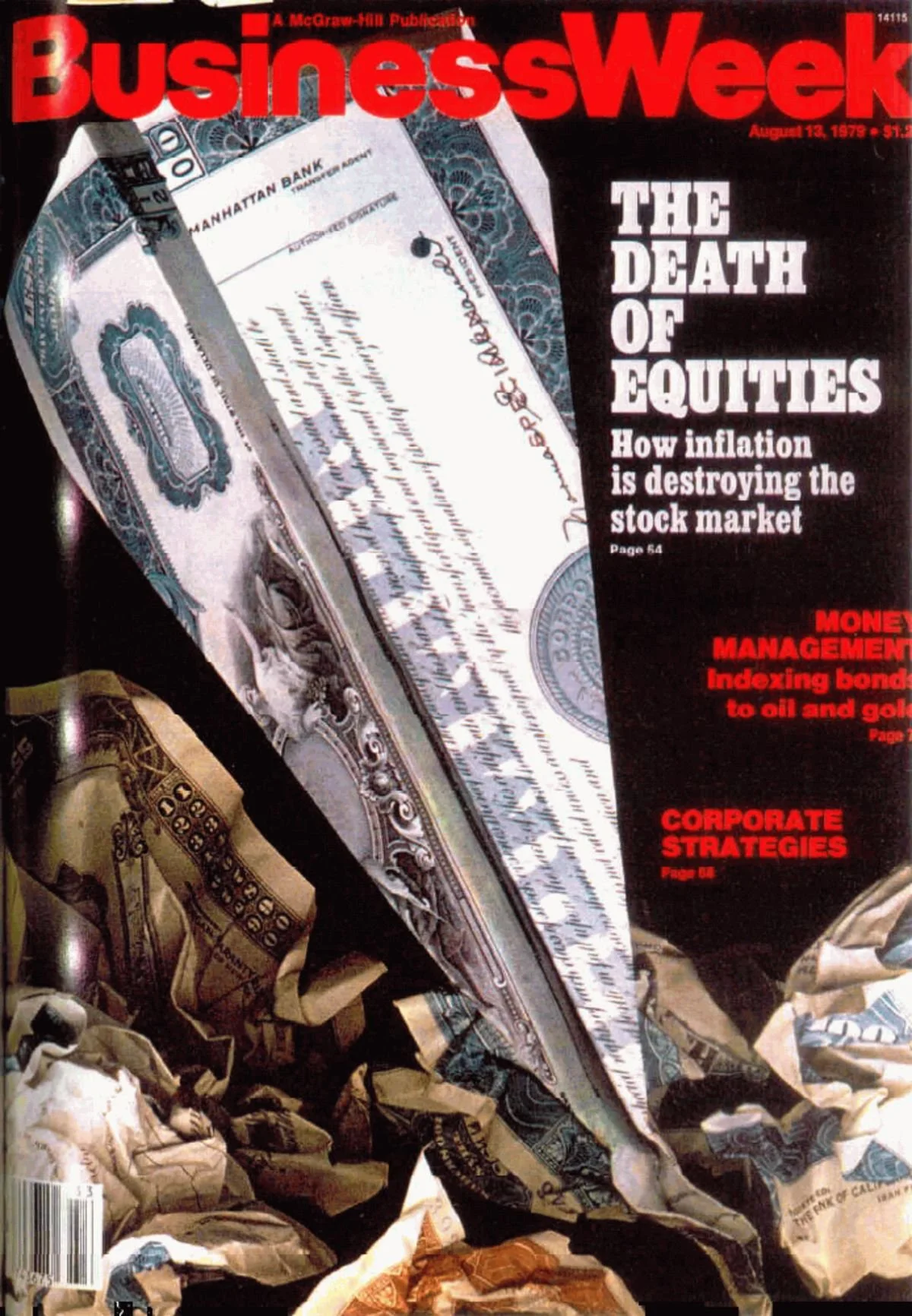
September Quarter Economic Review - Q3 2022
The major theme from Q3 was the Central Bank resolve to dampen inflation. Unfortunately, the only tool in Central Bank arsenals are interest rate increases, something that continues to offend financial markets. There were large rate increases by the US Federal Reserve and Australia’s Reserve Bank in Q3, with the European Central Bank also joining the party with two large increases. Energy remained an issue, with the prospect of the war in Ukraine now becoming a longer-term battle, as Ukraine’s resistance and Russia’s inability to hold territory was in contrast to early expectations.

When Did You Last Review Your Estate Plan?
Estate planning is often one of those topics that gets pushed onto the “I’ll get to it” list. And it’s no wonder this often happens – estate planning can be hard and knowing where to start is usually the most difficult step. To assist with this, we’ve come up with a broad list of questions that may prompt some thinking and family conversation.

When you know the basics of investing, the hype doesn't matter
Despite the ongoing noise from the news and financial markets, the fundamentals of investing will always remain the same. Here’s a short video by Dominique Schuh to remind you of some of the investment basics.

Rising Interest Rates - What You Need to Know
After enjoying unprecedented interest rate reductions for over 11 years in Australia, the music stopped around 4 months ago, just before PM Albanese’s win. A 25 point (0.25%) official cash rate rise from the Reserve Bank was followed by a further 50 points in June, and yet another 0.5% rise in July and August. At the time of writing, the cash rate now sits at 1.85%. Rate rises not only affect borrowers, but all consumers of products and services from businesses with debt on their balance sheets or with directors who have rising personal home loan commitments.

Investing and New Challenges
Inflation is here. While it took some time to fully show up in the official figures and be acknowledged by learned economic scholars, us mere mortals who engage with increasing prices throughout the economy on a day-to-day basis long knew something was up. Whether it be the price of a supermarket sausage increasing by 20%, paying thousands extra for a car, or another dollar on a cup of coffee, we knew what was happening.

2022 January Quarter 1 Economic Review
There was one major theme from Q1, being the Russian invasion of Ukraine. While the human implications are the foremost concern, the outbreak of war offered a sharp reminder of how interconnected the world is today, and how quickly the implications of a military conflict feed back into financial markets.
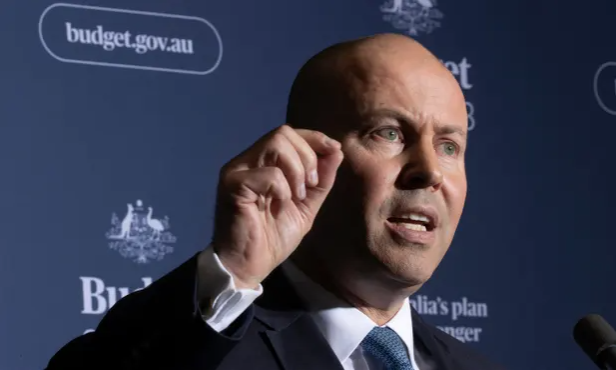
Schuh Group Federal Budget Summary 2022
With a federal election just around the corner, Treasurer Josh Frydenberg’s delivery of the 2022 Federal Budget was met with some skepticism around long-term economic growth versus short-term re-election initiatives. A huge focus was on easing the cost of living pressures through tax cuts, one-off stimulus pay-outs, and excises – particularly given the lower forecasted wage growth with respect to inflation.

Navigating Geopolitical Events
Recent conflict between Russia and Ukraine is an important reminder that geopolitical risk is a part of investing in global markets. Navigating geopolitical events requires significant consideration and a sound investment strategy that will serve as an “all weather” approach.
New Super Rules Passing both Houses
On 10 February 2022, Treasury Laws Amendment (Enhancing Superannuation Outcomes For Australians and Helping Australian Businesses Invest) Bill 2021 passed both houses and will become law once the Governor General gives it Royal Assent. The Bill contained six measures, five of which were super related. We’ve summarised these measures below which will come into effect from 1 July 2022.

The Historic Market Crash
Aside from the incendiary media coverage, experienced investors are worth listening to, in their totality, but never be overawed by the terms “billionaire” or “legend”. Keep perspective, no matter how persuasive someone seems, history will show they don’t always get it right. Someone may be able speak at length and seem convincing because they’ve seen everything; except the future!

December Quarter & 2021 Economic Review
The major themes from Q3, namely labour and supply shortages, shipping bottlenecks and inflation, all flowed into Q4, but they were joined by a new contender for investor attention: the Omicron Covid variant. Despite Omicron being more contagious, some countries resolved to push on through the wave of infections, while others reintroduced restrictions to try and reduce the spread. As data from Q3 filtered out during Q4, it showed economic growth was slowing, but 2021 sees several major economies on track to record their strongest GDP growth in more than thirty years. Finally, some central banks have stepped up to combat inflation with interest rate rises coming fast in emerging markets.

Everything you need to know about Self-Managed Super Funds
We’re going back to basics this week and looking at all things “SMSF.” As the name suggests, a self-managed super fund (or SMSF) is a private superannuation fund that individuals manage themselves. It is established for the sole purpose of providing financial benefits to members in their retirement, & to protect & provide for their loved ones following their death. One of the biggest benefits of SMSFs is that they give their members complete control & flexibility over how they choose to invest their funds.

7 Money Tips for 2022
Many New Year’s resolutions include money. Saving more, spending less,
& increasing earnings are common goals for the New Year. Getting started can be a daunting task, & many are intimidated to do so - but you don’t have to be a sophisticated investor to manage your finances well. Here are 7 simple steps that will make a significant improvement to your finances this year.

Merry Christmas from Us to You
We would like to wish you a Merry Christmas and a Happy New Year. Thank you for all your support throughout what has been a very trying year.
We hope the festive season is one of peace, joy and happiness with your friends and family. We look forward to working with you in the year ahead, and wish you all the best for 2022.

How Much Do I Need to Retire?
It’s one of the most vexing finance questions there is. While it seems like a straightforward one, it’s really a question that only invites further questions. Not about the money, but about the person or persons who are retiring. There will never be a one-size-fits-all pot of money. Primarily because of how many different variables come into play.

Inheriting a Main Residence via a Will
We are often asked to advise around the issue of how to pass the ownership of a main residence in your Will. There are certainly some things to consider when it comes to passing on what is usually a major asset for most people.

Christmas and Tax
Christmas is traditionally a time of giving – including employers showing gratitude towards staff for a job well done. However, Christmas parties and gifts can attract the attention of the ATO.

Lessons from Transitory Inflation
The frustration with inflation is it’s basically a stealth tax. And while we keep hearing the word “transitory” that’s also a stealthy word. Quite often when prices increase, they don’t necessarily decrease again. They are baked in. That’s not transitory. Petrol/oil being the most notable exception where prices do decrease after an increase. Inflation may slow down, which is what is implied by transitory, but if your wages don’t keep up with those initial rises then you are going backwards.